Wydarzenia Święta narodowe Przydatne Linki Film promujący Odwiedź nas i poznaj Kontakt
Lithuania Travel: Tourism Lithuania

Welcome! Lithuania travel is your official tourism gateway to Lithuania. Start tourism Lithuania and explore one of the most beautiful countries in Europe.

The Day of the Restoration of the State of the Republic of Lithuania

Lithuania, country of northeastern Europe, the southernmost and largest of the three Baltic states. Lithuania was a powerful empire that dominated much of eastern Europe in the 14th–16th centuries before becoming part of the Polish-Lithuanian confederation for the next two centuries. Aside from a brief period of independence from 1918 to 1940, Lithuania was occupied by Russia beginning in 1795, was controlled by Germany for a brief period during World War II, and was incorporated into the U.S.S.R. in 1944 as one of its constituent republics. On March 11, 1990, Lithuania declared its independence by a unanimous vote of its newly elected parliament. The new Soviet parliament acknowledged Lithuania’s independence on September 6, 1991. Lithuania was admitted into the European Union (EU) and the North Atlantic Treaty Organization in 2004. The capital is Vilnius. Land Lithuania is bounded by Latvia to the north, Belarus to the east and south, Poland and the detached Russian oblast of Kaliningrad to the southwest, and the Baltic Sea to the west. Relief Underlying rock structures are of little significance for the contemporary Lithuanian terrain, which basically is a low-lying plain scraped by Ice Age glaciers that left behind thick, ridgelike terminal deposits known as moraines. The Baltic coastal area is fringed by a region characterized by geographers as the maritime depression, which rises gradually eastward. Sand dunes line an attractive coast; the Curonian Lagoon (Lithuanian: Kuršiu Marios), almost cut off from the sea by the Curonian Spit, a thin 60-mile (100-km) sandspit, forms a distinctive feature. It is bounded by the Žemaičiai Upland to the east, which gives way to the flat expanses of the Middle Lithuanian Lowland. The lowland, consisting of glacial lake clays and boulder-studded loams, stretches in a wide band across the country from north to south; some portions of it are heavily waterlogged. The elevated Baltic Highlands, adjacent to the central lowland, thrust into the eastern and southeastern portions of the country; their rumpled glacial relief includes a host of small hills and numerous small lakes. The Švenčioniai and the Ašmena highlands—the latter containing Mount Juozapinė, at 957 feet (292 metres) above sea level the highest point in Lithuania—are located in the extreme east and southeast. Drainage Lithuanian rivers drain to the Baltic and generally have the slow, meandering characteristics of lowland rivers. The Neman River (Nemunas), cutting north and then west through the heart of the country, is the largest. Its main tributaries are the Merkys, Neris, Nevėžis, Dubysa, Jūra, Minija, and Šešupė. A distinctive feature of the Lithuanian landscape is the presence of about 3,000 lakes, mostly in the east and southeast. The boggy regions produce large quantities of peat that, dried by air, is used in both industry and agriculture. Soils Lithuanian soils range from sands to heavy clays. In the northwest the soil is either loamy or sandy (and sometimes marshy) and is quite heavily podzolized, or leached out. In the central region, weakly podzolized loamy peats predominate, and it is there that the most fertile, and hence most cultivated, soils are found. In the southeast there are sandy soils, somewhat loamy and moderately podzolized. Sandy soils in fact cover one-fourth of Lithuania, and most of these are blanketed by woodlands. Climate The climate of the country is transitional between the maritime type of western Europe and the continental type found farther east. As a result, damp air masses of Atlantic origin predominate, alternating with continental Eurasian and, more rarely, colder Arctic air or air with a southern, tropical origin. Baltic Sea influences dominate a comparatively narrow coastal zone. The mean temperature for January, the coldest month, is in the low 20s F (about −5 °C), while July, the warmest month, has an average temperature in the 60s F (about 17 °C). Average annual rainfall usually exceeds 30 inches (about 800 mm), diminishing inland. Rainfall reaches a peak in August, except in the maritime strip, where the maximum is reached two to three months later. Plant and animal life Lithuanian vegetation falls into three separate regions. In the maritime regions, pine forests predominate, and wild rye and various bushy plants grow on the sand dunes. Spruce trees are prevalent in the hilly eastern portion. The central region is characterized by large tracts of oak trees, with elegant birch forests in the northern portions, as well as distinctive black alder and aspen groves. Pine forests prevail in the south. Indeed, about one-third of the country is forested, and about another one-fifth is taken up by meadowlands. Swamps and marshlands account for only a small percentage of the total land. Wildlife is very diverse and includes numerous mammalian species. There are wolves, foxes, otters, badgers, ermine, wild boars, and many rodents. The deep forests harbour elk, stags, deer, beavers, mink, and water rats. Lithuania is also home to hundreds of species of birds, including white storks, ducks, geese, swans, cormorants, herons, hawks, and even an occasional bald eagle. There are many types of grouse and partridge as well. People Ethnic groups, languages, and religion Ethnic Lithuanians make up more than four-fifths of the country’s population; there are also Russians and Poles and lesser numbers of Belarusians, Ukrainians, Latvians, Tatars, Roma (Gypsies), and others. There was a significant Jewish community in Lithuania prior to World War II, and an influx of Jews from German-controlled Poland in 1941 boosted this population to nearly 250,000. By 1944, however, the majority of the population had been murdered, deported, or sent to concentration camps (see Holocaust). The official language of Lithuania is Lithuanian. Russian, Polish, Belarusian, Ukrainian, and other languages are spoken in the larger cities. Yiddish is commonly spoken by members of the tiny remaining Jewish community in Lithuania. Lithuania was the last pagan country in Europe, accepting Roman Catholicism in the late 14th century. About four-fifths of the population is Roman Catholic; there are smaller groups of Evangelical Lutherans and other Protestants, as well as people of other faiths. Elements of the pagan religion have survived in the countryside. Settlement patterns There has been a modest but steady movement of people to the cities since the 1990s, encouraged by the planning of regional centres, such as Alytus, Marijampolė, Utena, Plungė, and Mažeikiai. By the early 21st century about two-thirds of the total population lived in urban areas. Demographic trends Natural increase, rather than immigration, has accounted for most of Lithuania’s population growth in the early 21st century. The high birth rate distinguishes Lithuania from its Baltic neighbours, which have struggled to offset the aging of their populations. The comparatively high level of ethnic homogeneity in Lithuania and the persistence of Roman Catholicism in the face of decades of Soviet promulgation of atheism as the official state ideology further distinguish Lithuania from Latvia and Estonia, where historically German-Scandinavian religious and cultural values have predominated. Economy Even before independence from the U.S.S.R. was formally established, the Lithuanian government had embarked on a program of dismantling the Soviet economic system. Beginning in February 1991, laws were passed to facilitate privatization. Complications marred the government’s aspirations, however. Foremost, the bulk of Lithuania’s trade was still closely linked to the former republics of the U.S.S.R., which were themselves in the throes of economic collapse. Second, Lithuania was dependent on critically important foreign oil and natural gas and industrial raw materials. Finally, the transition to a market economy had caused high rates of inflation and unemployment. Nevertheless, the succeeding governments continued to implement stringent stabilization policies; by 1995 inflation had been reduced, and the country’s trade balance was positive for the first time since independence. Lithuania was admitted to the EU in 2004. More … Source: https://www.britannica.com/place/Lithuania

Top 10 Places to visit Lithuania | Vilnius, Lithuania, tourist attractions Top 10 |Lithuania Visa

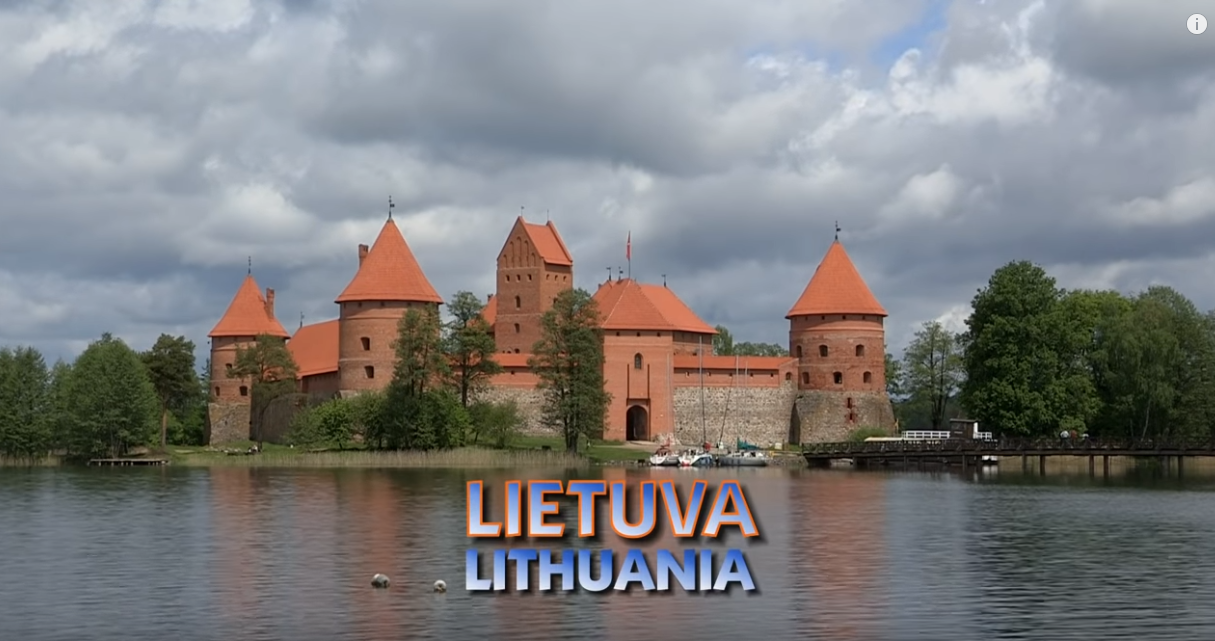
Lithuania, officially the Republic of Lithuania, is a country in the Baltic region of Europe. Lithuania is considered to be one of the Baltic states. The country is situated along the southeastern shore of the Baltic Sea, to the east of Sweden and Denmark.

Lithuania Travel: Tourism Lithuania

Welcome! Lithuania travel is your official tourism gateway to Lithuania. Start tourism Lithuania and explore one of the most beautiful countries in Europe.

The Day of the Restoration of the State of the Republic of Lithuania

Lithuania, country of northeastern Europe, the southernmost and largest of the three Baltic states. Lithuania was a powerful empire that dominated much of eastern Europe in the 14th–16th centuries before becoming part of the Polish-Lithuanian confederation for the next two centuries. Aside from a brief period of independence from 1918 to 1940, Lithuania was occupied by Russia beginning in 1795, was controlled by Germany for a brief period during World War II, and was incorporated into the U.S.S.R. in 1944 as one of its constituent republics. On March 11, 1990, Lithuania declared its independence by a unanimous vote of its newly elected parliament. The new Soviet parliament acknowledged Lithuania’s independence on September 6, 1991. Lithuania was admitted into the European Union (EU) and the North Atlantic Treaty Organization in 2004. The capital is Vilnius. Land Lithuania is bounded by Latvia to the north, Belarus to the east and south, Poland and the detached Russian oblast of Kaliningrad to the southwest, and the Baltic Sea to the west. Relief Underlying rock structures are of little significance for the contemporary Lithuanian terrain, which basically is a low-lying plain scraped by Ice Age glaciers that left behind thick, ridgelike terminal deposits known as moraines. The Baltic coastal area is fringed by a region characterized by geographers as the maritime depression, which rises gradually eastward. Sand dunes line an attractive coast; the Curonian Lagoon (Lithuanian: Kuršiu Marios), almost cut off from the sea by the Curonian Spit, a thin 60-mile (100-km) sandspit, forms a distinctive feature. It is bounded by the Žemaičiai Upland to the east, which gives way to the flat expanses of the Middle Lithuanian Lowland. The lowland, consisting of glacial lake clays and boulder-studded loams, stretches in a wide band across the country from north to south; some portions of it are heavily waterlogged. The elevated Baltic Highlands, adjacent to the central lowland, thrust into the eastern and southeastern portions of the country; their rumpled glacial relief includes a host of small hills and numerous small lakes. The Švenčioniai and the Ašmena highlands—the latter containing Mount Juozapinė, at 957 feet (292 metres) above sea level the highest point in Lithuania—are located in the extreme east and southeast. Drainage Lithuanian rivers drain to the Baltic and generally have the slow, meandering characteristics of lowland rivers. The Neman River (Nemunas), cutting north and then west through the heart of the country, is the largest. Its main tributaries are the Merkys, Neris, Nevėžis, Dubysa, Jūra, Minija, and Šešupė. A distinctive feature of the Lithuanian landscape is the presence of about 3,000 lakes, mostly in the east and southeast. The boggy regions produce large quantities of peat that, dried by air, is used in both industry and agriculture. Soils Lithuanian soils range from sands to heavy clays. In the northwest the soil is either loamy or sandy (and sometimes marshy) and is quite heavily podzolized, or leached out. In the central region, weakly podzolized loamy peats predominate, and it is there that the most fertile, and hence most cultivated, soils are found. In the southeast there are sandy soils, somewhat loamy and moderately podzolized. Sandy soils in fact cover one-fourth of Lithuania, and most of these are blanketed by woodlands. Climate The climate of the country is transitional between the maritime type of western Europe and the continental type found farther east. As a result, damp air masses of Atlantic origin predominate, alternating with continental Eurasian and, more rarely, colder Arctic air or air with a southern, tropical origin. Baltic Sea influences dominate a comparatively narrow coastal zone. The mean temperature for January, the coldest month, is in the low 20s F (about −5 °C), while July, the warmest month, has an average temperature in the 60s F (about 17 °C). Average annual rainfall usually exceeds 30 inches (about 800 mm), diminishing inland. Rainfall reaches a peak in August, except in the maritime strip, where the maximum is reached two to three months later. Plant and animal life Lithuanian vegetation falls into three separate regions. In the maritime regions, pine forests predominate, and wild rye and various bushy plants grow on the sand dunes. Spruce trees are prevalent in the hilly eastern portion. The central region is characterized by large tracts of oak trees, with elegant birch forests in the northern portions, as well as distinctive black alder and aspen groves. Pine forests prevail in the south. Indeed, about one-third of the country is forested, and about another one-fifth is taken up by meadowlands. Swamps and marshlands account for only a small percentage of the total land. Wildlife is very diverse and includes numerous mammalian species. There are wolves, foxes, otters, badgers, ermine, wild boars, and many rodents. The deep forests harbour elk, stags, deer, beavers, mink, and water rats. Lithuania is also home to hundreds of species of birds, including white storks, ducks, geese, swans, cormorants, herons, hawks, and even an occasional bald eagle. There are many types of grouse and partridge as well. People Ethnic groups, languages, and religion Ethnic Lithuanians make up more than four-fifths of the country’s population; there are also Russians and Poles and lesser numbers of Belarusians, Ukrainians, Latvians, Tatars, Roma (Gypsies), and others. There was a significant Jewish community in Lithuania prior to World War II, and an influx of Jews from German-controlled Poland in 1941 boosted this population to nearly 250,000. By 1944, however, the majority of the population had been murdered, deported, or sent to concentration camps (see Holocaust). The official language of Lithuania is Lithuanian. Russian, Polish, Belarusian, Ukrainian, and other languages are spoken in the larger cities. Yiddish is commonly spoken by members of the tiny remaining Jewish community in Lithuania. Lithuania was the last pagan country in Europe, accepting Roman Catholicism in the late 14th century. About four-fifths of the population is Roman Catholic; there are smaller groups of Evangelical Lutherans and other Protestants, as well as people of other faiths. Elements of the pagan religion have survived in the countryside. Settlement patterns There has been a modest but steady movement of people to the cities since the 1990s, encouraged by the planning of regional centres, such as Alytus, Marijampolė, Utena, Plungė, and Mažeikiai. By the early 21st century about two-thirds of the total population lived in urban areas. Demographic trends Natural increase, rather than immigration, has accounted for most of Lithuania’s population growth in the early 21st century. The high birth rate distinguishes Lithuania from its Baltic neighbours, which have struggled to offset the aging of their populations. The comparatively high level of ethnic homogeneity in Lithuania and the persistence of Roman Catholicism in the face of decades of Soviet promulgation of atheism as the official state ideology further distinguish Lithuania from Latvia and Estonia, where historically German-Scandinavian religious and cultural values have predominated. Economy Even before independence from the U.S.S.R. was formally established, the Lithuanian government had embarked on a program of dismantling the Soviet economic system. Beginning in February 1991, laws were passed to facilitate privatization. Complications marred the government’s aspirations, however. Foremost, the bulk of Lithuania’s trade was still closely linked to the former republics of the U.S.S.R., which were themselves in the throes of economic collapse. Second, Lithuania was dependent on critically important foreign oil and natural gas and industrial raw materials. Finally, the transition to a market economy had caused high rates of inflation and unemployment. Nevertheless, the succeeding governments continued to implement stringent stabilization policies; by 1995 inflation had been reduced, and the country’s trade balance was positive for the first time since independence. Lithuania was admitted to the EU in 2004. More … Source: https://www.britannica.com/place/Lithuania
Top 10 Places to visit Lithuania | Vilnius, Lithuania, tourist attractions Top 10 |Lithuania Visa

Lithuania, officially the Republic of Lithuania, is a country in the Baltic region of Europe. Lithuania is considered to be one of the Baltic states. The country is situated along the southeastern shore of the Baltic Sea, to the east of Sweden and Denmark.

Lithuania Travel: Tourism Lithuania

Welcome! Lithuania travel is your official tourism gateway to Lithuania. Start tourism Lithuania and explore one of the most beautiful countries in Europe.

The Day of the Restoration of the State of the Republic of Lithuania

Lithuania, country of northeastern Europe, the southernmost and largest of the three Baltic states. Lithuania was a powerful empire that dominated much of eastern Europe in the 14th–16th centuries before becoming part of the Polish-Lithuanian confederation for the next two centuries. Aside from a brief period of independence from 1918 to 1940, Lithuania was occupied by Russia beginning in 1795, was controlled by Germany for a brief period during World War II, and was incorporated into the U.S.S.R. in 1944 as one of its constituent republics. On March 11, 1990, Lithuania declared its independence by a unanimous vote of its newly elected parliament. The new Soviet parliament acknowledged Lithuania’s independence on September 6, 1991. Lithuania was admitted into the European Union (EU) and the North Atlantic Treaty Organization in 2004. The capital is Vilnius. Land Lithuania is bounded by Latvia to the north, Belarus to the east and south, Poland and the detached Russian oblast of Kaliningrad to the southwest, and the Baltic Sea to the west. Relief Underlying rock structures are of little significance for the contemporary Lithuanian terrain, which basically is a low-lying plain scraped by Ice Age glaciers that left behind thick, ridgelike terminal deposits known as moraines. The Baltic coastal area is fringed by a region characterized by geographers as the maritime depression, which rises gradually eastward. Sand dunes line an attractive coast; the Curonian Lagoon (Lithuanian: Kuršiu Marios), almost cut off from the sea by the Curonian Spit, a thin 60-mile (100-km) sandspit, forms a distinctive feature. It is bounded by the Žemaičiai Upland to the east, which gives way to the flat expanses of the Middle Lithuanian Lowland. The lowland, consisting of glacial lake clays and boulder-studded loams, stretches in a wide band across the country from north to south; some portions of it are heavily waterlogged. The elevated Baltic Highlands, adjacent to the central lowland, thrust into the eastern and southeastern portions of the country; their rumpled glacial relief includes a host of small hills and numerous small lakes. The Švenčioniai and the Ašmena highlands—the latter containing Mount Juozapinė, at 957 feet (292 metres) above sea level the highest point in Lithuania—are located in the extreme east and southeast. Drainage Lithuanian rivers drain to the Baltic and generally have the slow, meandering characteristics of lowland rivers. The Neman River (Nemunas), cutting north and then west through the heart of the country, is the largest. Its main tributaries are the Merkys, Neris, Nevėžis, Dubysa, Jūra, Minija, and Šešupė. A distinctive feature of the Lithuanian landscape is the presence of about 3,000 lakes, mostly in the east and southeast. The boggy regions produce large quantities of peat that, dried by air, is used in both industry and agriculture. Soils Lithuanian soils range from sands to heavy clays. In the northwest the soil is either loamy or sandy (and sometimes marshy) and is quite heavily podzolized, or leached out. In the central region, weakly podzolized loamy peats predominate, and it is there that the most fertile, and hence most cultivated, soils are found. In the southeast there are sandy soils, somewhat loamy and moderately podzolized. Sandy soils in fact cover one-fourth of Lithuania, and most of these are blanketed by woodlands. Climate The climate of the country is transitional between the maritime type of western Europe and the continental type found farther east. As a result, damp air masses of Atlantic origin predominate, alternating with continental Eurasian and, more rarely, colder Arctic air or air with a southern, tropical origin. Baltic Sea influences dominate a comparatively narrow coastal zone. The mean temperature for January, the coldest month, is in the low 20s F (about −5 °C), while July, the warmest month, has an average temperature in the 60s F (about 17 °C). Average annual rainfall usually exceeds 30 inches (about 800 mm), diminishing inland. Rainfall reaches a peak in August, except in the maritime strip, where the maximum is reached two to three months later. Plant and animal life Lithuanian vegetation falls into three separate regions. In the maritime regions, pine forests predominate, and wild rye and various bushy plants grow on the sand dunes. Spruce trees are prevalent in the hilly eastern portion. The central region is characterized by large tracts of oak trees, with elegant birch forests in the northern portions, as well as distinctive black alder and aspen groves. Pine forests prevail in the south. Indeed, about one-third of the country is forested, and about another one-fifth is taken up by meadowlands. Swamps and marshlands account for only a small percentage of the total land. Wildlife is very diverse and includes numerous mammalian species. There are wolves, foxes, otters, badgers, ermine, wild boars, and many rodents. The deep forests harbour elk, stags, deer, beavers, mink, and water rats. Lithuania is also home to hundreds of species of birds, including white storks, ducks, geese, swans, cormorants, herons, hawks, and even an occasional bald eagle. There are many types of grouse and partridge as well. People Ethnic groups, languages, and religion Ethnic Lithuanians make up more than four-fifths of the country’s population; there are also Russians and Poles and lesser numbers of Belarusians, Ukrainians, Latvians, Tatars, Roma (Gypsies), and others. There was a significant Jewish community in Lithuania prior to World War II, and an influx of Jews from German-controlled Poland in 1941 boosted this population to nearly 250,000. By 1944, however, the majority of the population had been murdered, deported, or sent to concentration camps (see Holocaust). The official language of Lithuania is Lithuanian. Russian, Polish, Belarusian, Ukrainian, and other languages are spoken in the larger cities. Yiddish is commonly spoken by members of the tiny remaining Jewish community in Lithuania. Lithuania was the last pagan country in Europe, accepting Roman Catholicism in the late 14th century. About four-fifths of the population is Roman Catholic; there are smaller groups of Evangelical Lutherans and other Protestants, as well as people of other faiths. Elements of the pagan religion have survived in the countryside. Settlement patterns There has been a modest but steady movement of people to the cities since the 1990s, encouraged by the planning of regional centres, such as Alytus, Marijampolė, Utena, Plungė, and Mažeikiai. By the early 21st century about two-thirds of the total population lived in urban areas. Demographic trends Natural increase, rather than immigration, has accounted for most of Lithuania’s population growth in the early 21st century. The high birth rate distinguishes Lithuania from its Baltic neighbours, which have struggled to offset the aging of their populations. The comparatively high level of ethnic homogeneity in Lithuania and the persistence of Roman Catholicism in the face of decades of Soviet promulgation of atheism as the official state ideology further distinguish Lithuania from Latvia and Estonia, where historically German-Scandinavian religious and cultural values have predominated. Economy Even before independence from the U.S.S.R. was formally established, the Lithuanian government had embarked on a program of dismantling the Soviet economic system. Beginning in February 1991, laws were passed to facilitate privatization. Complications marred the government’s aspirations, however. Foremost, the bulk of Lithuania’s trade was still closely linked to the former republics of the U.S.S.R., which were themselves in the throes of economic collapse. Second, Lithuania was dependent on critically important foreign oil and natural gas and industrial raw materials. Finally, the transition to a market economy had caused high rates of inflation and unemployment. Nevertheless, the succeeding governments continued to implement stringent stabilization policies; by 1995 inflation had been reduced, and the country’s trade balance was positive for the first time since independence. Lithuania was admitted to the EU in 2004. More … Source: https://www.britannica.com/place/Lithuania

Top 10 Places to visit Lithuania | Vilnius, Lithuania, tourist attractions Top 10 |Lithuania Visa

Lithuania, officially the Republic of Lithuania, is a country in the Baltic region of Europe. Lithuania is considered to be one of the Baltic states. The country is situated along the southeastern shore of the Baltic Sea, to the east of Sweden and Denmark.

Lithuania Travel: Tourism Lithuania

Welcome! Lithuania travel is your official tourism gateway to Lithuania. Start tourism Lithuania and explore one of the most beautiful countries in Europe.

The Day of the Restoration of the State of the Republic of Lithuania

Lithuania, country of northeastern Europe, the southernmost and largest of the three Baltic states. Lithuania was a powerful empire that dominated much of eastern Europe in the 14th–16th centuries before becoming part of the Polish-Lithuanian confederation for the next two centuries. Aside from a brief period of independence from 1918 to 1940, Lithuania was occupied by Russia beginning in 1795, was controlled by Germany for a brief period during World War II, and was incorporated into the U.S.S.R. in 1944 as one of its constituent republics. On March 11, 1990, Lithuania declared its independence by a unanimous vote of its newly elected parliament. The new Soviet parliament acknowledged Lithuania’s independence on September 6, 1991. Lithuania was admitted into the European Union (EU) and the North Atlantic Treaty Organization in 2004. The capital is Vilnius. Land Lithuania is bounded by Latvia to the north, Belarus to the east and south, Poland and the detached Russian oblast of Kaliningrad to the southwest, and the Baltic Sea to the west. Relief Underlying rock structures are of little significance for the contemporary Lithuanian terrain, which basically is a low-lying plain scraped by Ice Age glaciers that left behind thick, ridgelike terminal deposits known as moraines. The Baltic coastal area is fringed by a region characterized by geographers as the maritime depression, which rises gradually eastward. Sand dunes line an attractive coast; the Curonian Lagoon (Lithuanian: Kuršiu Marios), almost cut off from the sea by the Curonian Spit, a thin 60-mile (100-km) sandspit, forms a distinctive feature. It is bounded by the Žemaičiai Upland to the east, which gives way to the flat expanses of the Middle Lithuanian Lowland. The lowland, consisting of glacial lake clays and boulder-studded loams, stretches in a wide band across the country from north to south; some portions of it are heavily waterlogged. The elevated Baltic Highlands, adjacent to the central lowland, thrust into the eastern and southeastern portions of the country; their rumpled glacial relief includes a host of small hills and numerous small lakes. The Švenčioniai and the Ašmena highlands—the latter containing Mount Juozapinė, at 957 feet (292 metres) above sea level the highest point in Lithuania—are located in the extreme east and southeast. Drainage Lithuanian rivers drain to the Baltic and generally have the slow, meandering characteristics of lowland rivers. The Neman River (Nemunas), cutting north and then west through the heart of the country, is the largest. Its main tributaries are the Merkys, Neris, Nevėžis, Dubysa, Jūra, Minija, and Šešupė. A distinctive feature of the Lithuanian landscape is the presence of about 3,000 lakes, mostly in the east and southeast. The boggy regions produce large quantities of peat that, dried by air, is used in both industry and agriculture. Soils Lithuanian soils range from sands to heavy clays. In the northwest the soil is either loamy or sandy (and sometimes marshy) and is quite heavily podzolized, or leached out. In the central region, weakly podzolized loamy peats predominate, and it is there that the most fertile, and hence most cultivated, soils are found. In the southeast there are sandy soils, somewhat loamy and moderately podzolized. Sandy soils in fact cover one-fourth of Lithuania, and most of these are blanketed by woodlands. Climate The climate of the country is transitional between the maritime type of western Europe and the continental type found farther east. As a result, damp air masses of Atlantic origin predominate, alternating with continental Eurasian and, more rarely, colder Arctic air or air with a southern, tropical origin. Baltic Sea influences dominate a comparatively narrow coastal zone. The mean temperature for January, the coldest month, is in the low 20s F (about −5 °C), while July, the warmest month, has an average temperature in the 60s F (about 17 °C). Average annual rainfall usually exceeds 30 inches (about 800 mm), diminishing inland. Rainfall reaches a peak in August, except in the maritime strip, where the maximum is reached two to three months later. Plant and animal life Lithuanian vegetation falls into three separate regions. In the maritime regions, pine forests predominate, and wild rye and various bushy plants grow on the sand dunes. Spruce trees are prevalent in the hilly eastern portion. The central region is characterized by large tracts of oak trees, with elegant birch forests in the northern portions, as well as distinctive black alder and aspen groves. Pine forests prevail in the south. Indeed, about one-third of the country is forested, and about another one-fifth is taken up by meadowlands. Swamps and marshlands account for only a small percentage of the total land. Wildlife is very diverse and includes numerous mammalian species. There are wolves, foxes, otters, badgers, ermine, wild boars, and many rodents. The deep forests harbour elk, stags, deer, beavers, mink, and water rats. Lithuania is also home to hundreds of species of birds, including white storks, ducks, geese, swans, cormorants, herons, hawks, and even an occasional bald eagle. There are many types of grouse and partridge as well. People Ethnic groups, languages, and religion Ethnic Lithuanians make up more than four-fifths of the country’s population; there are also Russians and Poles and lesser numbers of Belarusians, Ukrainians, Latvians, Tatars, Roma (Gypsies), and others. There was a significant Jewish community in Lithuania prior to World War II, and an influx of Jews from German-controlled Poland in 1941 boosted this population to nearly 250,000. By 1944, however, the majority of the population had been murdered, deported, or sent to concentration camps (see Holocaust). The official language of Lithuania is Lithuanian. Russian, Polish, Belarusian, Ukrainian, and other languages are spoken in the larger cities. Yiddish is commonly spoken by members of the tiny remaining Jewish community in Lithuania. Lithuania was the last pagan country in Europe, accepting Roman Catholicism in the late 14th century. About four-fifths of the population is Roman Catholic; there are smaller groups of Evangelical Lutherans and other Protestants, as well as people of other faiths. Elements of the pagan religion have survived in the countryside. Settlement patterns There has been a modest but steady movement of people to the cities since the 1990s, encouraged by the planning of regional centres, such as Alytus, Marijampolė, Utena, Plungė, and Mažeikiai. By the early 21st century about two-thirds of the total population lived in urban areas. Demographic trends Natural increase, rather than immigration, has accounted for most of Lithuania’s population growth in the early 21st century. The high birth rate distinguishes Lithuania from its Baltic neighbours, which have struggled to offset the aging of their populations. The comparatively high level of ethnic homogeneity in Lithuania and the persistence of Roman Catholicism in the face of decades of Soviet promulgation of atheism as the official state ideology further distinguish Lithuania from Latvia and Estonia, where historically German-Scandinavian religious and cultural values have predominated. Economy Even before independence from the U.S.S.R. was formally established, the Lithuanian government had embarked on a program of dismantling the Soviet economic system. Beginning in February 1991, laws were passed to facilitate privatization. Complications marred the government’s aspirations, however. Foremost, the bulk of Lithuania’s trade was still closely linked to the former republics of the U.S.S.R., which were themselves in the throes of economic collapse. Second, Lithuania was dependent on critically important foreign oil and natural gas and industrial raw materials. Finally, the transition to a market economy had caused high rates of inflation and unemployment. Nevertheless, the succeeding governments continued to implement stringent stabilization policies; by 1995 inflation had been reduced, and the country’s trade balance was positive for the first time since independence. Lithuania was admitted to the EU in 2004. More … Source: https://www.britannica.com/place/Lithuania

Top 10 Places to visit Lithuania | Vilnius, Lithuania, tourist attractions Top 10 |Lithuania Visa

Lithuania, officially the Republic of Lithuania, is a country in the Baltic region of Europe. Lithuania is considered to be one of the Baltic states. The country is situated along the southeastern shore of the Baltic Sea, to the east of Sweden and Denmark.

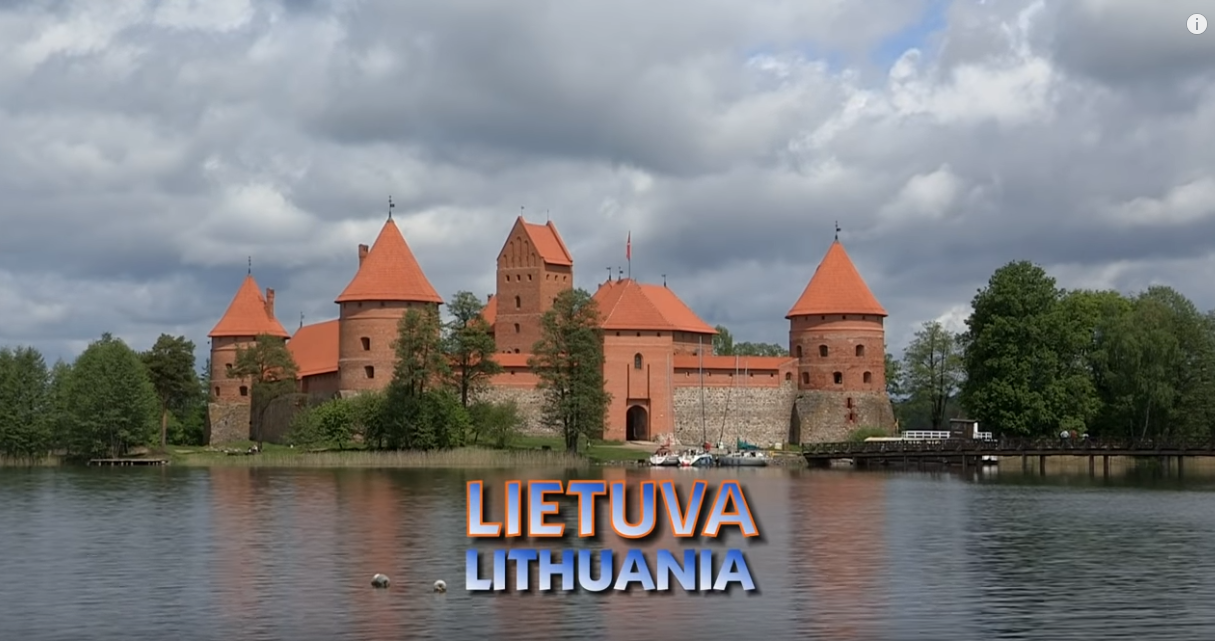
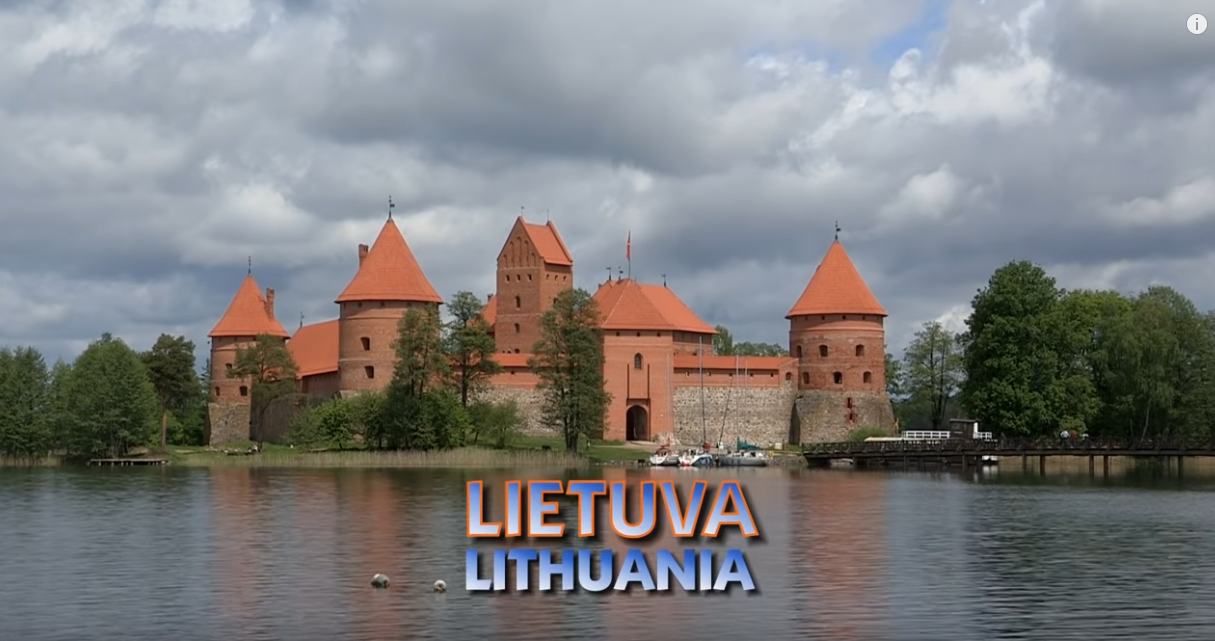
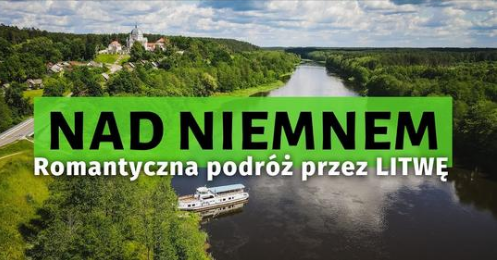
Nad Niemnem - romantyczna podróż przez Litwę

Pomysł na URLOP? Oto jak wygląda LITWA i romantyczna podróż wzdłuż Niemna

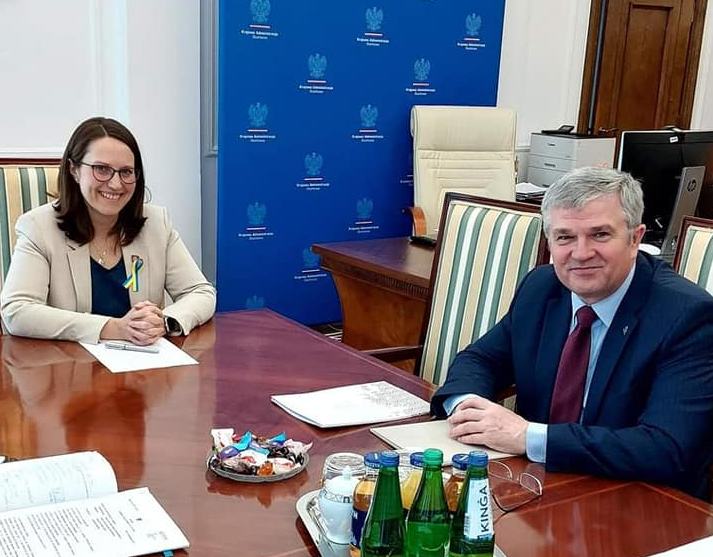
Spotkanie z Szefem Krajowej Administracji Skarbowej RP

Ambasador Litwy w RP Eduardas Borisovas spotkał się dziś z Szefem Krajowej Administracji Skarbowej RP, Sekretarzem Stanu P. Magdaleną Rzeczkowską. W czasie spotkania omówiona została współpraca Litwy i Polski w dziedzinie podatków i kwestiach finansowych.

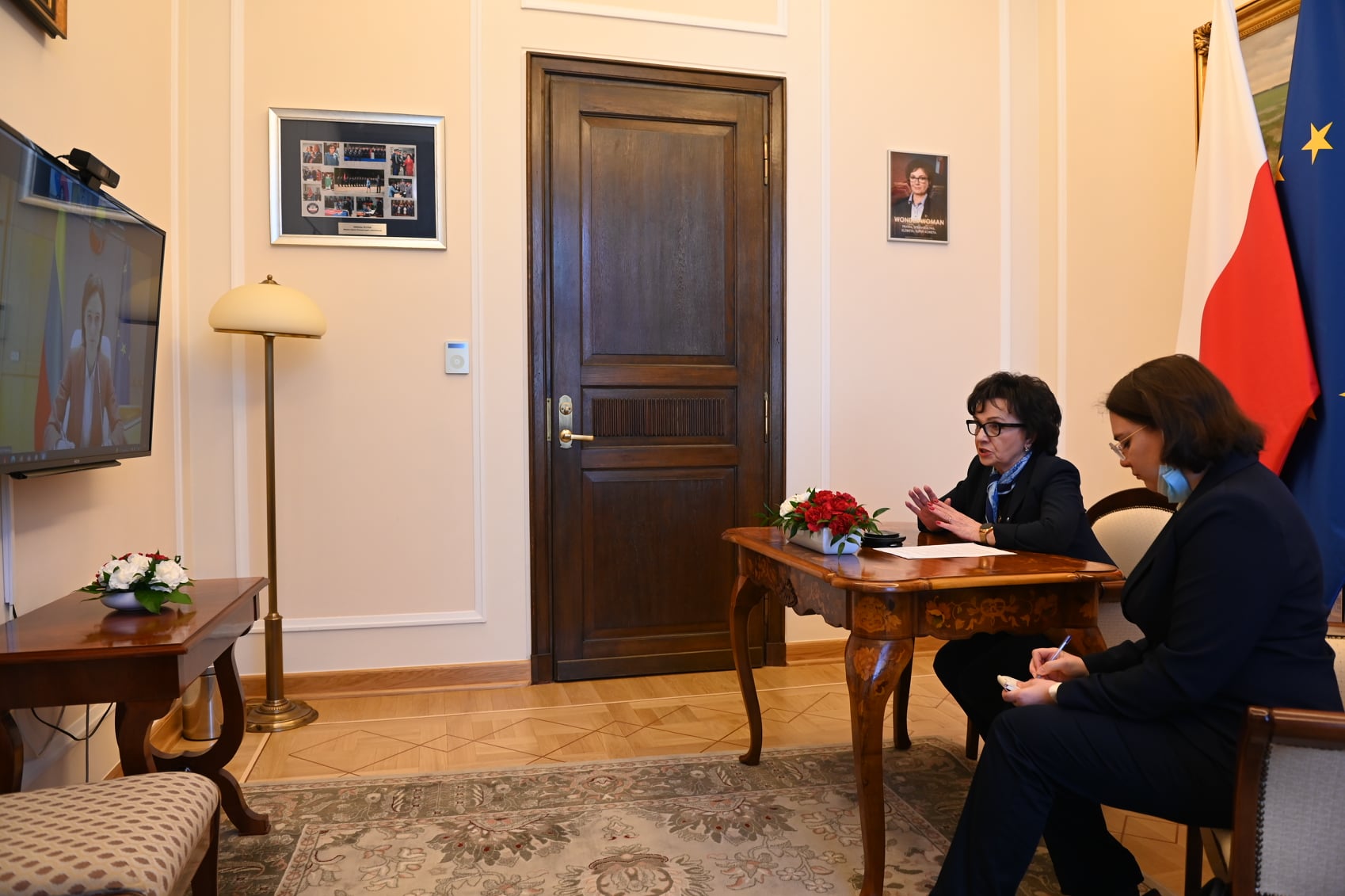
Zdalne spotkanie przewodniczącej Sejmu Republiki Litewskiej i Marszałek Sejmu RP

W dniu 1 marca 2022 roku odbyło się zdalne spotkanie przewodniczącej Sejmu Republiki Litewskiej Viktorii Čmilytė-Nielsen z Marszałek Sejmu RP Elżbietą Witek. Szefowe parlamentów Litwy i Polski wyraziły solidarność z Ukrainą w obliczu rosyjskiej inwazji, omówiły humanitarną i inną pomoc dla Ukrainy oraz zaznaczyły, że oba kraje popierają dążenie Ukrainy do jak najszybszego uzyskania statusu kandydatki do Unii Europejskiej.

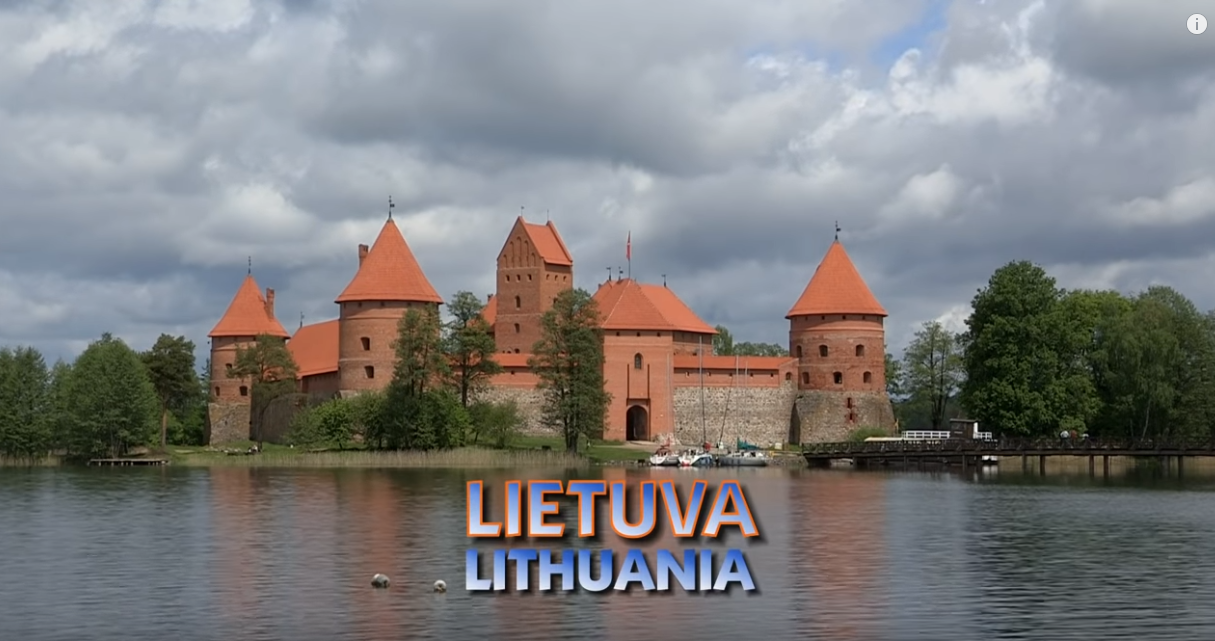
TOP 10 PLACES TO VISIT LITHUANIA | VILNIUS, LITHUANIA, TOURIST ATTRACTIONS TOP 10 |LITHUANIA VISA

Lithuania, officially the Republic of Lithuania, is a country in the Baltic region of Europe. Lithuania is considered to be one of the Baltic states. The country is situated along the southeastern shore of the Baltic Sea, to the east of Sweden and Denmark.

The Day of the Restoration of the State of the Republic of Lithuania

Lithuania, country of northeastern Europe, the southernmost and largest of the three Baltic states. Lithuania was a powerful empire that dominated much of eastern Europe in the 14th–16th centuries before becoming part of the Polish-Lithuanian confederation for the next two centuries. Aside from a brief period of independence from 1918 to 1940, Lithuania was occupied by Russia beginning in 1795, was controlled by Germany for a brief period during World War II, and was incorporated into the U.S.S.R. in 1944 as one of its constituent republics. On March 11, 1990, Lithuania declared its independence by a unanimous vote of its newly elected parliament. The new Soviet parliament acknowledged Lithuania’s independence on September 6, 1991. Lithuania was admitted into the European Union (EU) and the North Atlantic Treaty Organization in 2004. The capital is Vilnius. Land Lithuania is bounded by Latvia to the north, Belarus to the east and south, Poland and the detached Russian oblast of Kaliningrad to the southwest, and the Baltic Sea to the west. Relief Underlying rock structures are of little significance for the contemporary Lithuanian terrain, which basically is a low-lying plain scraped by Ice Age glaciers that left behind thick, ridgelike terminal deposits known as moraines. The Baltic coastal area is fringed by a region characterized by geographers as the maritime depression, which rises gradually eastward. Sand dunes line an attractive coast; the Curonian Lagoon (Lithuanian: Kuršiu Marios), almost cut off from the sea by the Curonian Spit, a thin 60-mile (100-km) sandspit, forms a distinctive feature. It is bounded by the Žemaičiai Upland to the east, which gives way to the flat expanses of the Middle Lithuanian Lowland. The lowland, consisting of glacial lake clays and boulder-studded loams, stretches in a wide band across the country from north to south; some portions of it are heavily waterlogged. The elevated Baltic Highlands, adjacent to the central lowland, thrust into the eastern and southeastern portions of the country; their rumpled glacial relief includes a host of small hills and numerous small lakes. The Švenčioniai and the Ašmena highlands—the latter containing Mount Juozapinė, at 957 feet (292 metres) above sea level the highest point in Lithuania—are located in the extreme east and southeast. Drainage Lithuanian rivers drain to the Baltic and generally have the slow, meandering characteristics of lowland rivers. The Neman River (Nemunas), cutting north and then west through the heart of the country, is the largest. Its main tributaries are the Merkys, Neris, Nevėžis, Dubysa, Jūra, Minija, and Šešupė. A distinctive feature of the Lithuanian landscape is the presence of about 3,000 lakes, mostly in the east and southeast. The boggy regions produce large quantities of peat that, dried by air, is used in both industry and agriculture. Soils Lithuanian soils range from sands to heavy clays. In the northwest the soil is either loamy or sandy (and sometimes marshy) and is quite heavily podzolized, or leached out. In the central region, weakly podzolized loamy peats predominate, and it is there that the most fertile, and hence most cultivated, soils are found. In the southeast there are sandy soils, somewhat loamy and moderately podzolized. Sandy soils in fact cover one-fourth of Lithuania, and most of these are blanketed by woodlands. Climate The climate of the country is transitional between the maritime type of western Europe and the continental type found farther east. As a result, damp air masses of Atlantic origin predominate, alternating with continental Eurasian and, more rarely, colder Arctic air or air with a southern, tropical origin. Baltic Sea influences dominate a comparatively narrow coastal zone. The mean temperature for January, the coldest month, is in the low 20s F (about −5 °C), while July, the warmest month, has an average temperature in the 60s F (about 17 °C). Average annual rainfall usually exceeds 30 inches (about 800 mm), diminishing inland. Rainfall reaches a peak in August, except in the maritime strip, where the maximum is reached two to three months later. Plant and animal life Lithuanian vegetation falls into three separate regions. In the maritime regions, pine forests predominate, and wild rye and various bushy plants grow on the sand dunes. Spruce trees are prevalent in the hilly eastern portion. The central region is characterized by large tracts of oak trees, with elegant birch forests in the northern portions, as well as distinctive black alder and aspen groves. Pine forests prevail in the south. Indeed, about one-third of the country is forested, and about another one-fifth is taken up by meadowlands. Swamps and marshlands account for only a small percentage of the total land. Wildlife is very diverse and includes numerous mammalian species. There are wolves, foxes, otters, badgers, ermine, wild boars, and many rodents. The deep forests harbour elk, stags, deer, beavers, mink, and water rats. Lithuania is also home to hundreds of species of birds, including white storks, ducks, geese, swans, cormorants, herons, hawks, and even an occasional bald eagle. There are many types of grouse and partridge as well. People Ethnic groups, languages, and religion Ethnic Lithuanians make up more than four-fifths of the country’s population; there are also Russians and Poles and lesser numbers of Belarusians, Ukrainians, Latvians, Tatars, Roma (Gypsies), and others. There was a significant Jewish community in Lithuania prior to World War II, and an influx of Jews from German-controlled Poland in 1941 boosted this population to nearly 250,000. By 1944, however, the majority of the population had been murdered, deported, or sent to concentration camps (see Holocaust). The official language of Lithuania is Lithuanian. Russian, Polish, Belarusian, Ukrainian, and other languages are spoken in the larger cities. Yiddish is commonly spoken by members of the tiny remaining Jewish community in Lithuania. Lithuania was the last pagan country in Europe, accepting Roman Catholicism in the late 14th century. About four-fifths of the population is Roman Catholic; there are smaller groups of Evangelical Lutherans and other Protestants, as well as people of other faiths. Elements of the pagan religion have survived in the countryside. Settlement patterns There has been a modest but steady movement of people to the cities since the 1990s, encouraged by the planning of regional centres, such as Alytus, Marijampolė, Utena, Plungė, and Mažeikiai. By the early 21st century about two-thirds of the total population lived in urban areas. Demographic trends Natural increase, rather than immigration, has accounted for most of Lithuania’s population growth in the early 21st century. The high birth rate distinguishes Lithuania from its Baltic neighbours, which have struggled to offset the aging of their populations. The comparatively high level of ethnic homogeneity in Lithuania and the persistence of Roman Catholicism in the face of decades of Soviet promulgation of atheism as the official state ideology further distinguish Lithuania from Latvia and Estonia, where historically German-Scandinavian religious and cultural values have predominated. Economy Even before independence from the U.S.S.R. was formally established, the Lithuanian government had embarked on a program of dismantling the Soviet economic system. Beginning in February 1991, laws were passed to facilitate privatization. Complications marred the government’s aspirations, however. Foremost, the bulk of Lithuania’s trade was still closely linked to the former republics of the U.S.S.R., which were themselves in the throes of economic collapse. Second, Lithuania was dependent on critically important foreign oil and natural gas and industrial raw materials. Finally, the transition to a market economy had caused high rates of inflation and unemployment. Nevertheless, the succeeding governments continued to implement stringent stabilization policies; by 1995 inflation had been reduced, and the country’s trade balance was positive for the first time since independence. Lithuania was admitted to the EU in 2004. More … Source: https://www.britannica.com/place/Lithuania

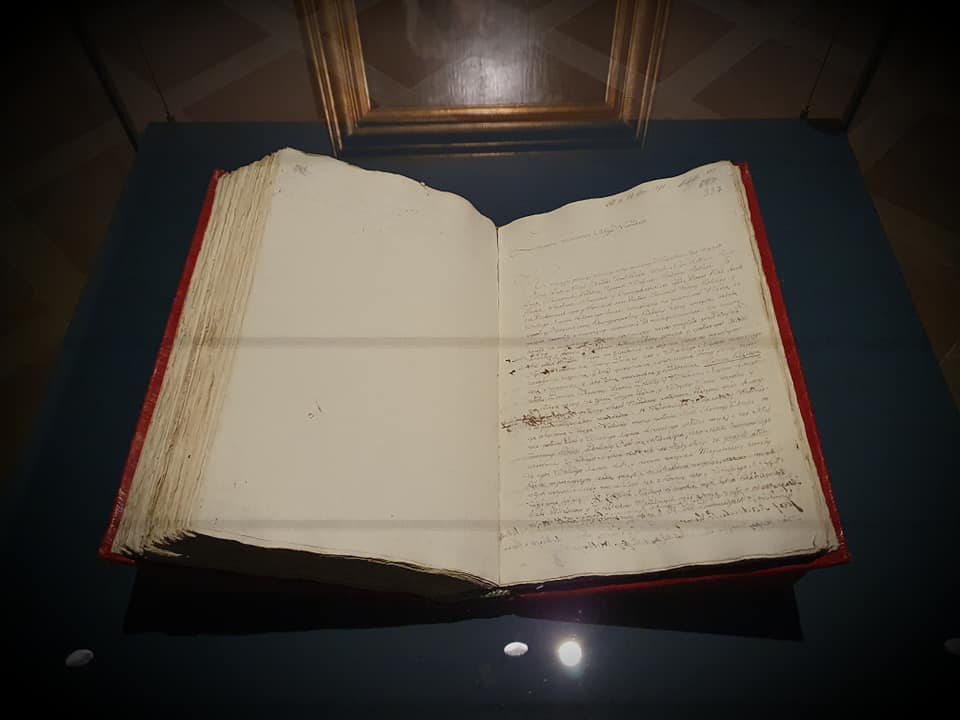
Abiejų Tautų Tarpusavio Įžado Aktas.

Lygiai prieš 230 metų, 1791 m. spalio 20 d., Varšuvoje buvo priimtas Abiejų Tautų Tarpusavio Įžado Aktas. Pažymėtina, kad Ketverių Metų Seimo vykdomos Abiejų Tautų Respublikos (ATR) valdymo reformos nesibaigė Gegužės 3-iosios Konstitucijos priėmimu. Šias reformas simboliškai vainikavo Abiejų Tautų Tarpusavio Įžadas, kuris savaip koregavo pačią Gegužės 3-osios Konstituciją. Ketverių Metų Seimo darbe lenkų ir lietuvių parlamentarai pademonstravo politinį sumanumą ir apdairumą, sugebėdami kovą dėl savarankiškumo derinti su pastangomis reformuoti valstybės santvarką,

Organizacje i instytucje kultury